
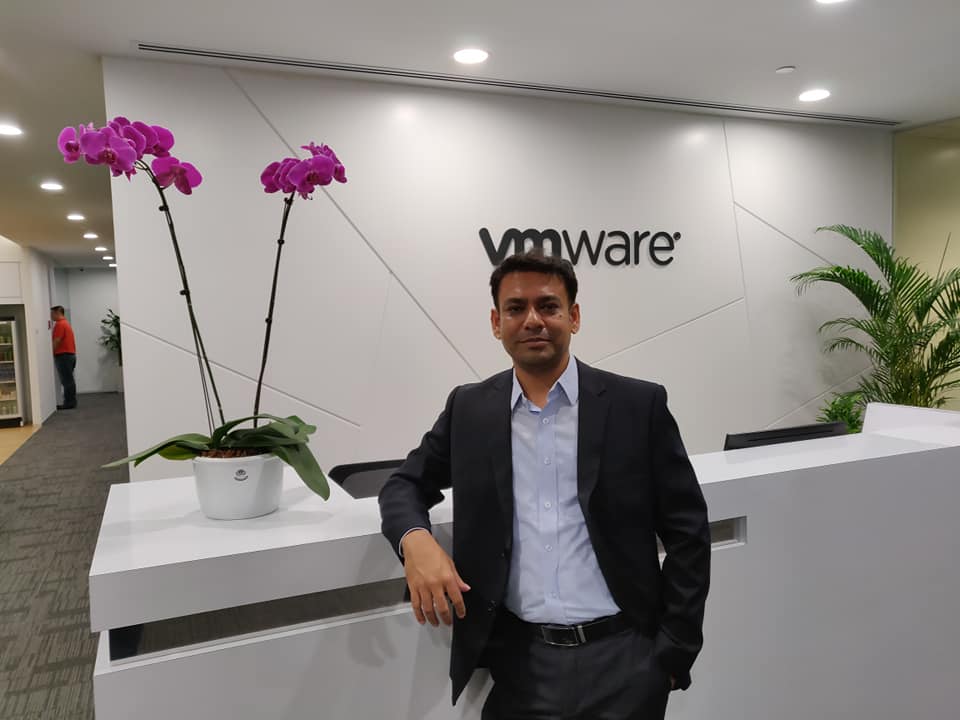
Mohammad Hasan Imam
EVP
Preparing Utility IT for a Smart City Future
For years, I’ve believed that world-changing innovation doesn’t have to start in Silicon Valley. Sometimes, it begins in Dhaka—with a small, passionate team building something real for the communities around them.
That’s exactly how we started ToguMogu and Light of Hope. We didn’t have massive funding or global infrastructure. What we had was a clear mission: to help parents, children, and educators through technology that makes life simpler, healthier, and more connected.
At first, we focused on solving very local problems—like improving access to parenting advice, nutrition tools, and early education resources. We created mobile apps, parenting courses, digital storybooks, and AI-powered support platforms tailored to real needs in Bangladesh. Slowly, these tools started reaching tens of thousands of families, and then hundreds of thousands.
But we didn’t expect what came next.
Over time, some of the world’s most respected organizations began to notice. Our work was recognized by:
• UNFPA through the Joint Innovation Challenge, which selected us from hundreds of applicants across 61 countries
• H&M Foundation, BRAC, and The Asia Foundation through the STITCH for RMG Global Innovation Challenge, which awarded us for improving the wellbeing of female garment workers
• BASIS (Bangladesh’s national ICT trade body), which awarded us for excellence in digital health
• And the ICT Division of the Government of Bangladesh, which named us runners-up in their ACT COVID-19 National Call for critical digital services during the pandemic.
Each award was a moment of validation—not just for our team, but for every social entrepreneur working at the grassroots level and wondering if the world is paying attention.
These weren’t just trophies. They were investments in a belief: that solutions born in Bangladesh can solve problems in communities around the world. That inclusive innovation matters. That local ideas, when nurtured, can lead global change.
That belief still drives us today.
We are scaling our initiatives beyond Bangladesh—building partnerships, adapting our platforms, and designing for impact across borders. Parenting, education, and women’s health are universal needs. And the tools we’ve created, tested, and proven can now serve families everywhere.
This is just the beginning. And I’m grateful for every institution, judge, and partner who has believed in that vision.